
When Aid Doesn’t Reach the People: How Humanitarian Assistance to Venezuela Is Being Delayed, Blocked, or Diverted
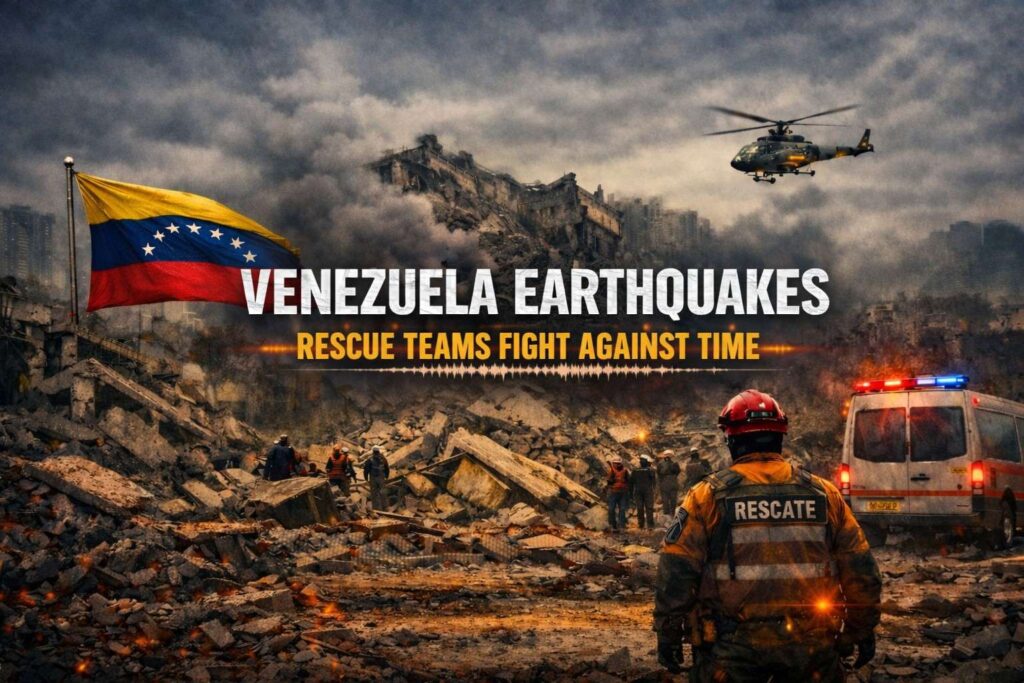
Humanitarian organizations have warned for years that aid entering Venezuela does not always reach the communities who need it most. As relief begins arriving after the recent earthquake, familiar concerns have resurfaced: delays at entry points, political interference, and diversion of supplies before they reach families in crisis. This article summarizes what international NGOs, UN agencies, and human‑rights monitors have documented. Please confirm all information with trusted sources.
Aid bottlenecks at ports and checkpoints
Multiple humanitarian groups report that aid shipments often face delays at ports, airports, and internal checkpoints. These delays are typically caused by excessive bureaucratic controls, political vetting of shipments, and security forces holding cargo without clear justification.
In practice, food, medicine, tents, water filters, and emergency supplies sit idle while affected communities wait. UN OCHA and the International Federation of the Red Cross note that logistical obstruction is one of the biggest barriers to rapid humanitarian response inside the country.
Diversion of supplies before reaching communities
Humanitarian monitors have documented cases where aid is diverted: confiscated at checkpoints, redirected to government‑aligned distribution networks, repackaged and delivered as political loyalty incentives, or sold on the black market instead of being distributed for free.
This pattern has been reported by Human Rights Watch, Amnesty International, Caritas Venezuela, and local NGOs tracking food insecurity. In some regions, residents say they must show political affiliation or register with local party committees to receive aid that should be universally accessible.
Who is responsible?
International reports consistently point to state‑aligned actors as the primary source of interference.
Security forces:
– National Guard (GNB)
– Local police units
– Intelligence services (SEBIN / DGCIM)
These groups have been cited for holding shipments, redirecting cargo, or conditioning distribution.
Local political structures:
– Municipal authorities
– State governors
– Community councils aligned with the ruling party
– CLAP distribution networks
NGOs have documented cases where CLAP networks receive aid first, even when independent humanitarian groups were supposed to distribute it directly.
Armed non‑state groups (in border regions):
In certain rural and frontier zones, irregular armed groups have been known to block access roads, demand payment, seize supplies, or control distribution as a form of territorial power.
Impact on earthquake relief today
With thousands of Venezuelans displaced, injured, or without shelter, every hour matters. Early reports from local communities already echo familiar concerns: aid arriving at airports is not immediately released; trucks carrying supplies are stopped at internal checkpoints; some shelters report receiving far less than what was announced publicly; families say they see aid on TV but not in their neighborhoods.
Delays cost lives, especially when people lack clean water, temporary shelter, medical supplies, food, and communication access.
What Venezuelans are asking for
Across social media, shelters, and diaspora networks, Venezuelans are calling for transparent distribution, independent monitoring, direct delivery to shelters and hospitals, protection for aid workers, removal of political conditions, and public reporting of where shipments go.
The message is simple: aid must reach the people — not be used as leverage, currency, or political control.
A call for accountability and humanity
In moments of national tragedy, humanitarian aid should be protected, respected, and delivered without delay. Venezuelans, both inside and outside the country, are demanding that relief efforts be free from corruption, obstruction, and political manipulation. The world is watching, and Venezuela deserves a response rooted in transparency, dignity, and compassion.
Comments