
Aftershocks of Accountability: What Happens When the Cameras Leave
In the first hours after a disaster, the world pays attention. Cameras crowd the streets. Reporters rush to capture the chaos. Officials stand before microphones promising swift action and full investigations. But when the lights dim and the media caravans move on, a different kind of aftershock begins — one that shakes communities long after the earth stops moving.
In Venezuela, that aftershock is already being felt.
The Silence After the Spotlight
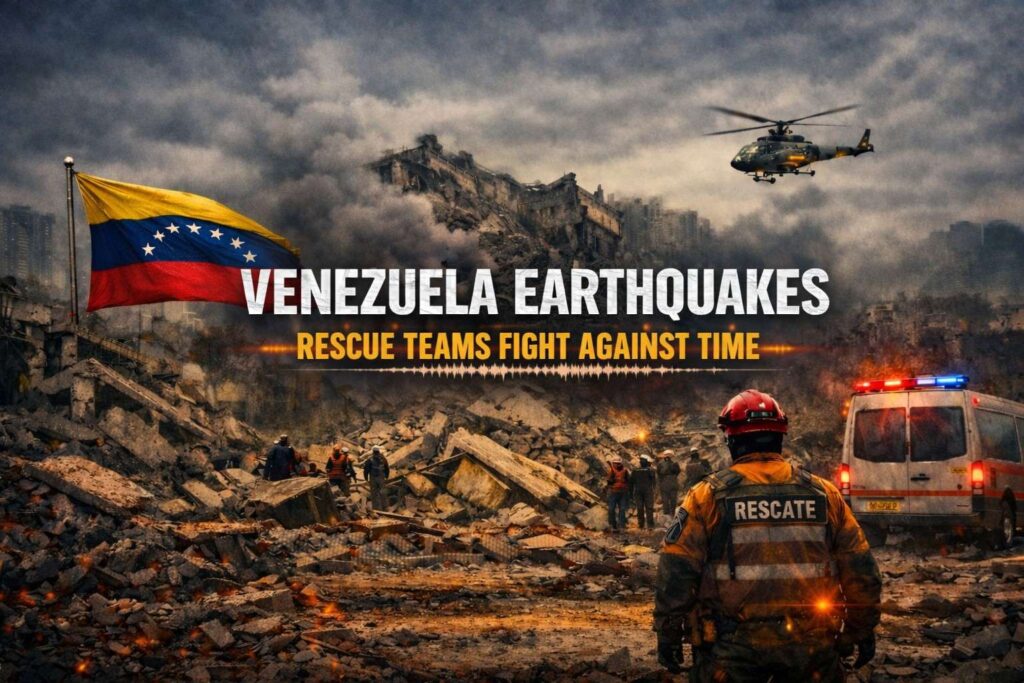
The earthquake’s immediate devastation was impossible to ignore: collapsed buildings, frantic rescues, families searching for loved ones. But now, as the news cycle shifts, the survivors face a quieter, heavier burden — rebuilding their lives in a landscape where urgency has faded and accountability remains uncertain.
The cameras captured the destruction. What they didn’t capture is the slow, grinding reality that follows.
The Unfinished Work
Weeks after the quake, many families still live in temporary shelters. Some structures remain uninspected. Entire neighborhoods wait for water, electricity, and basic services. Promises made in the first 72 hours — rapid aid, transparent investigations, structural audits — now sit in bureaucratic limbo.
For survivors, “recovery” is not a headline. It’s a daily struggle.
The Accountability Gap
When disasters strike, responsibility becomes a moving target. Local officials blame outdated infrastructure. National agencies cite budget constraints. Construction regulators point to decades of neglect. But survivors want answers, not excuses.
Why did so many buildings collapse so catastrophically?
Why were warnings about unsafe structures ignored?
Why did rescue resources fall short when they were needed most?
These questions linger in the air like dust — visible, heavy, and impossible to sweep away.
Survivors Left in Limbo
Across affected regions, families describe a sense of abandonment. Some wait for structural assessments that never arrive. Others live in tents, unsure whether their homes will ever be safe again. Parents worry about their children’s trauma. Elderly residents fear they will not live long enough to see their communities rebuilt.
Their stories reveal a truth: the disaster did not end when the shaking stopped.
When Aid Slows Down
In the early days, donations poured in. Volunteers mobilized. International attention surged. But as time passes, aid naturally tapers. Volunteer groups burn out. Media coverage shifts to the next crisis. Government urgency fades.
The people left behind feel the drop-off immediately.
The Human Cost of Being Forgotten
The emotional aftershocks are often stronger than the physical ones. Grief deepens. Frustration grows. Trauma lingers. And yet, hope persists — fragile but present — carried by neighbors, community leaders, and survivors who refuse to let their stories disappear.
Their resilience is the heartbeat of this series.
Closing Reflection — The Real Aftershocks
The true aftershocks of the Venezuelan earthquake are not geological. They are political, social, and deeply human. They shake trust, stability, and the belief that help will come when it’s needed most.
As the cameras leave, accountability must remain.
Latinos del Mundo will continue to follow these stories, amplify survivor voices, and shine light on the questions that still demand answers. Because the people of Venezuela deserve more than coverage — they deserve commitment.
Comments